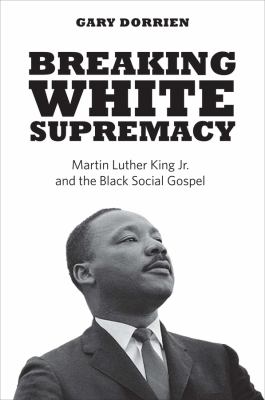
This massive, thoroughly researched volume is the second of Dorrien's two-part study of the history of the black social gospel tradition. In the first volume, The New Abolition: W. E. B. Du Bois and the Black Social Gospel (CH, Feb'16, 53-2606), Dorrien examined the long history of the tradition in the 19th and early-20th centuries, culminating in Du Bois's "lover's quarrel" (as Dorrien calls it) with the black church. In this magisterial followup, Dorrien (social ethics, Union Theological Seminary; religion, Columbia Univ.) focuses on the intellectual forces that produced Martin Luther King Jr. In the first part of the book Dorrien examines the major carriers of black social "gospelism" in the first half of the 20th century, including Mordecai Wyatt Johnson, Benjamin Mays, Howard Thurman, and Adam Clayton Powell. In the second part he examines King and the movement, noting especially King's growing radicalism and anger. He concludes with discussion of Pauli Murray, whose message, like King's, resonates today. This is intellectual history at its finest; acknowledging his own choices, the author calls for others to fill in the social history of the black gospel. A triumph of careful scholarship, rigorous argument, clear prose, unblinking judgments, and groundbreaking conclusions, this two-part study is an indispensable resource on American religious history.Summing Up: Essential. Upper-division undergraduates through faculty.